News

Exclusive analysis articles with the latest market updates, and real-time news feeds.

Grid Delay, Price Volatility, Delivery Pressure — Join SMM's Munich Solar & Storage Forum in June to Navigate Challenges
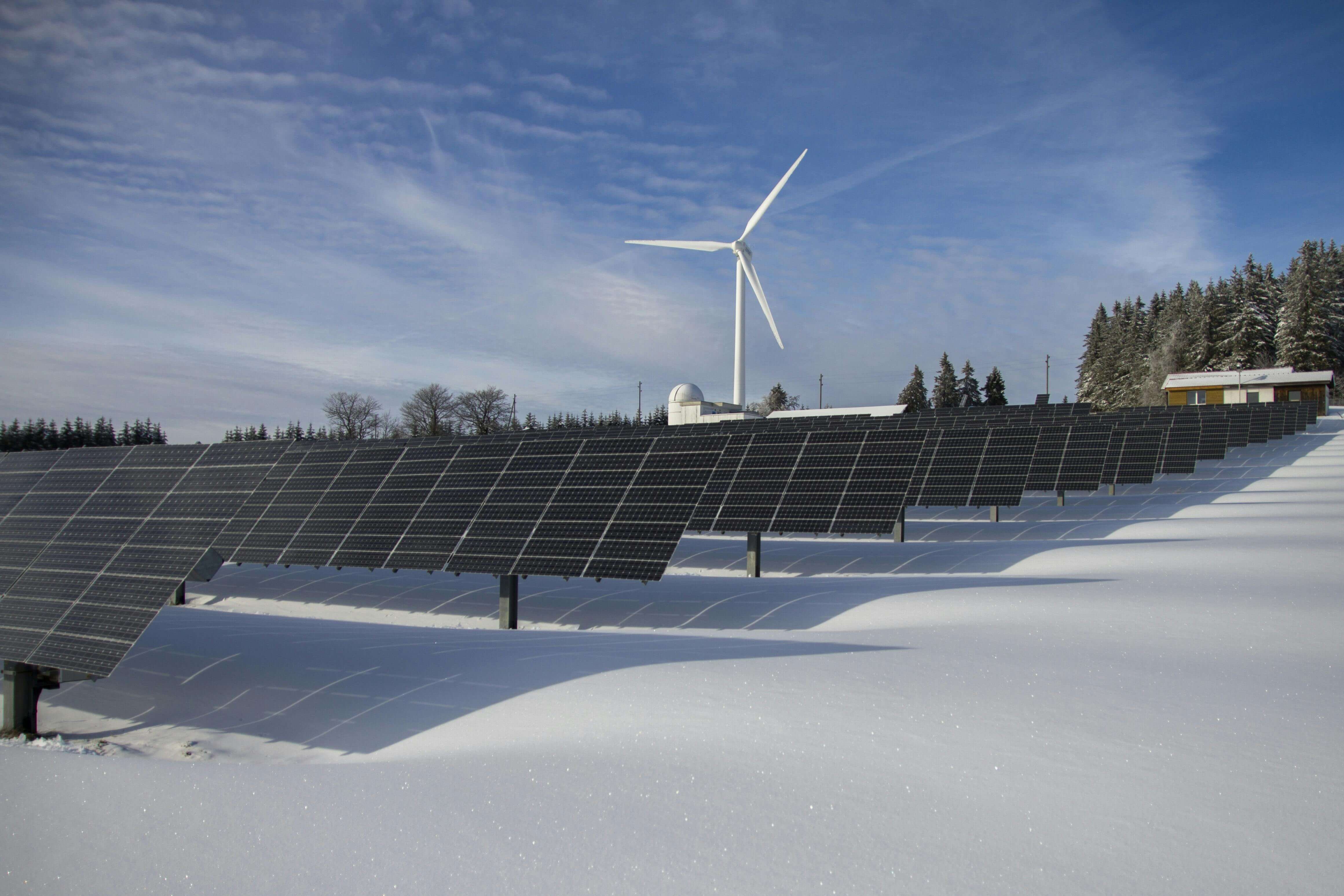
Europe's renewable energy market is undergoing structural acceleration in 2026. Utility-scale storage projects are breaking ground at pace, and solar installations continue to expand — but supply chain pressures are intensifying in parallel. Lithium carbonate price swings have yet to fully transmit through to system-level pricing, and the cost mechanisms across the cell and integration layers are still being recalibrated. At the same time, grid connection queues in Europe are lengthening, permitting timelines are growing less predictable, and project delivery schedules are under real strain. How Chinese supply chains respond to Europe's shifting market structure, and how European developers balance cost pressure with project momentum, have become defining questions for the entire value chain. To address these challenges head-on, SMM is hosting the 2026 SMM Germany Solar & Energy Storage Forum on 23 June 2026 in Munich, running alongside Intersolar Europe & ESS Europe. The forum brings together senior industry leaders from GCL, LONGi, Gokin Solar, Farasis Energy, Verkor, Greenvolt Power, AKU-BAT CZ, RES Group, Power Capital Renewable Energy, and more, for a focused dialogue on European ESS project realities, China's PV supply chain dynamics, and the path forward for China-Europe collaboration. Venue: Hotel Novotel München Messe, Munich, Germany Date: 23 June 2026 | 14:00–18:0 Forum details: https://www.metal.com/events/conferences/2026-SMM-Germany-Solar--Energy-Storage-Forum/969 Register for free: https://bd.smm.cn/s/HDq2UoEI For enquiries, please contact: Joanne Xu | +86 150 0197 5312 | joannexu@smm.cn
Jun 10, 2026 16:18
Grid Delay, Price Volatility, Delivery Pressure — Join SMM's Munich Solar & Storage Forum in June to Navigate Challenges
SMM Chairman Adam Fan Delivers Opening Remarks at the Indonesia Critical Minerals Conference & Expo 2026
Shanghai Metals Market (SMM) is proud to announce that the Indonesia Critical Minerals Conference & Expo 2026 , co-organized by SMM and the Indonesia Nickel Miners Association (APNI), was grandly held at Pullman Jakarta Central Park on June 3. SMM Chairman Adam Fan delivered opening remarks at the flagship industry event. As highlighted by Mr. Fan, this marks the official staging of the 4th Indonesia Critical Minerals Conference & Expo. For years, SMM has maintained close collaboration with APNI to jointly launch this landmark gathering for Indonesia’s mineral industry. Committed to building a high-connected global platform linking Indonesia to the worldwide industrial landscape, the event empowers resource development through technological innovation, bridges upstream producers and downstream consumers, and drives effective alignment between industrial development and market opportunities. Thanks to years of steady cultivation and upgrading, the 2026 edition has achieved a record-high scale. It gathered 3,500+ on-site attendees and 120+ industry speakers , featuring 5 dedicated forums that fully cover the entire industrial chain of nickel-cobalt new energy, coal, energy transition, aluminum and tin sectors. The extensive participation of global institutions, enterprises, industry experts and industrial chain stakeholders fully reflects the rising international recognition and confidence in Indonesia’s critical minerals industrial ecosystem. A robust global critical minerals supply chain is inseparable from in-depth cross-border cooperation. Moving forward, the conference will continue to boost supply chain transparency and interconnection, gather elite industry insights via its professional platform, and further deepen global industrial collaboration across the critical minerals sector.
Jun 3, 2026 17:08
[SMM Insights] Coking Coal Competitive Landscape Under Energy Crisis
[SMM Insights] Coking Coal Competitive Landscape Under Energy Crisis
Chapter 1: The Energy Crisis Reshapes Coking Coal Value In 2026, with the Russia-Ukraine war still ongoing and the U.S.-Iran war reigniting, crude oil price centers continued to shift upward. Coupled with persistent geopolitical conflicts in other regions worldwide, energy security demand climbed, driving a systematic revaluation of coking coal value. Moreover, against the backdrop of high oil prices, the cost advantages of coal-based chemicals over oil-based chemicals began to emerge, improving the economics of coal-to-oil substitution and expanding coking coal demand. Coking coal possesses the dual attributes of industrial raw material and energy commodity, supported by both rigid demand and high elasticity to energy prices, with premium capacity far exceeding that of ordinary industrial products. Market perception underwent a fundamental shift, as coking coal gradually shed its subordinate positioning within the steel industry chain and was upgraded to a scarce strategic energy asset. The energy crisis restructured its valuation logic. Pricing broke free from the singular steel supply-demand framework and was incorporated into the global energy price comparison system. Energy and security premiums elevated the valuation center, making it an important target for hedging geopolitical risks and allocating strategic resources. Chapter 2: Global Coking Coal Market Landscape (1) Global Coking Coal Resource Distribution Data source: publicly available data Global coking coal resources account for 13% of total global coal resources, approximately 1,140 billion mt. About 49% are distributed in Europe, 29% in Asia, and 19% in North America. The economically recoverable reserves of coking coal are approximately 500 billion mt, of which high-quality coking coal with low ash and low sulfur content amounts to only about 60 billion mt. Economically recoverable coking coal resources are primarily concentrated in three countries: Russia (42%, approximately 210 billion mt), China (23%, approximately 115 billion mt), and the US (18%, approximately 90 billion mt), with other countries accounting for relatively small shares. (II) Global Coking Coal Production Distribution Data source: publicly available data Global coking coal production in 2025 was approximately 1.1 billion mt, with a highly concentrated production landscape. China ranked first at 514 million mt, accounting for 47% of global production and serving as the core supply pillar, though virtually all output was consumed domestically. Australia (172 million mt) and Russia (98 million mt) ranked second and third, followed closely by the US (59 million mt), Mongolia (54 million mt), and Canada (32 million mt), while India produced 25 million mt and Indonesia produced 11 million mt. These eight countries collectively accounted for 88% of global coking coal production. Data source: World Steel Association, IEA Major producing countries: China firmly held the top global position with absolute volumes rising from 480 million mt (2020) to 514 million mt (2025), achieving the highest global increase of 34 million mt, primarily driven by new domestic mine commissioning and supply security policies. Russia and Mongolia became key growth contributors with increases of 12 million mt and 23 million mt respectively — the former benefiting from post-sanction market redirection and new mine development, while the latter achieved substantial production increases through upgraded border customs clearance with China and railway cost reductions. Australia's capacity remained basically flat. EU countries (Germany, Poland) and Ukraine continued to cut production due to factors such as coal phase-out policies, aging mines, and geopolitical conflicts, while the US, India, Mozambique and other countries achieved capacity growth driven by export demand and downstream industry boost. (III) Analysis of Global Coking Coal Export Trade Data source: publicly available data Global coking coal export trade is highly concentrated in five countries—Australia, Russia, Mongolia, the US, and Indonesia—primarily for the following reasons: Monopolistic resource endowment: Russia accounts for 42% of the world's recoverable coking coal reserves, and the US accounts for 18%. Australia possesses globally scarce high-quality coking coal resources with low ash and low sulfur content. Mongolia and Indonesia also have distinctive coal varieties suited to blending needs. These resource barriers create a supply-side monopoly. Locational and logistics cost advantages: Australia's coking coal producing regions are adjacent to east coast ports, enabling low-cost seaborne access to the world's core steel-producing regions. Mongolia's mining areas border China, with overland logistics providing direct access to the Chinese market. Russia, the US, and Indonesia leverage mature seaborne and cross-border railway networks to achieve efficient coverage of global demand markets. Industrial structure and supply-demand mismatch: Although China holds 23% of the world's coking coal reserves, as the world's largest steel producer, China has extremely rigid coking coal consumption demand, making it the world's largest coking coal importer. In contrast, the five countries mentioned above have limited domestic consumption and surplus coking coal supply. Their industrial structures are centered on resource exports, providing a supply foundation for large-scale exports. Coal quality and global demand matching: The coal varieties from these countries form a complementary supply system. Australian coal is suited to high-end coke demand, Mongolian coal serves as a premium blending raw material, Russian coal covers the full range of varieties, and US and Indonesian coal meet the blending needs of different steelmaking processes. This precisely matches the rigid blending needs of global steel enterprises, forming a stable export pattern. Chapter 3: China's Coking Coal Market (1) Current Supply and Demand of Coking Coal in China Data sources: National Bureau of Statistics (NBS), General Administration of Customs of China, publicly available data Supply side, China's coking coal concentrate production grew steadily, rising gradually from 480 million mt in 2020 to 514 million mt in 2025, with overall supply scale remaining stable and no wild swings observed. Import and export side, imports became the core variable supplementing China's domestic supply: imports briefly declined 24% YoY to 54.768 million mt in 2021, then entered a sustained expansion trajectory, with 2025 imports surging 117% from 2021 to 118 million mt; exports remained at low levels over the long term, once plunging 89% YoY to 92,000 mt in 2021, then gradually rebounding, but the 2025 export volume of 1.175 million mt had minimal impact on the overall market. Demand side, coking coal concentrate demand also maintained mild growth, with 2025 demand reaching 628 million mt, a modest increase from 2020. Demand growth was primarily supported by the concurrent expansion of coke production (coke production reached 502 million mt in 2025). Overall, China's domestic coking coal production growth was unable to fully match demand expansion, with imported resources effectively filling the supply-demand gap. (II) China's Coking Coal Supply-Demand Balance Data source: National Bureau of Statistics (NBS), publicly available data From 2020 to 2025, China's coking coal concentrate market completed a transition from tight supply to a tight balance with a slight surplus, with both supply and demand expanding simultaneously and market operational stability improving significantly. The supply side exhibited a sustained and steady growth trend, with the release of domestic capacity combined with supplementary import resources jointly driving continuous enhancement of supply capability. The demand side maintained mild expansion, primarily supported by rigid production demand from the coke and steel industries, with overall growth notably slower than the supply side. By phase, from 2020 to 2022, the market was in a state of persistent undersupply, with supply gaps appearing in all three years, and the industry was highly reliant on imported resources to fill the supply-demand gap. In 2023, the market reached a structural turning point, achieving a supply surplus for the first time; in 2024, the surplus scale expanded significantly; in 2025, the surplus pulled back, but the market had thoroughly shed its prolonged deficit status. With China's coking coal concentrate supply assurance capability continuing to improve, combined with flexible adjustment of import channels, the market entered a healthy tight balance range where supply was slightly greater than demand. Chapter 4: Global Coking Coal Supply-Demand Balance Data source: IEA, publicly available data From 2020 to 2025, the global coking coal market gradually shifted from maintaining a slight surplus to a slight supply-demand deficit. The long-term tightening of global premium coking coal resources, compounded by multiple external factors such as the restructuring of the global energy landscape triggered by the energy crisis and shifts in national energy policies, ultimately drove the global coking coal market from a relatively loose state in the earlier period to a slight deficit. Chapter 5: Summary Affected by geopolitical conflicts and energy transition, the strategic value of coking coal continued to rise, with energy security premiums becoming prominent, and the overall industry landscape gradually evolving toward a tight supply-demand balance. Global coking coal production is limited, with low-ash, low-sulfur premium resources being particularly scarce. Reserves, capacity, and export trade are all highly concentrated, with a few countries such as Russia, China, the U.S., and Australia controlling the supply side, forming a monopolistic landscape through advantages in resources, logistics, and coal grade complementarity, while the energy crisis brings new opportunities and challenges. Overall, coking coal markets both in and outside China have shifted toward a tight balance, with structural shortages of premium coal grades being a prominent issue. The coking coal market may hold up well throughout 2026.
Jun 3, 2026 11:39
[SMM Analysis] Tungsten Prices Rally on Long Contract Prices & Tight Spot Supply
SMM Report, June 5: Benchmark monthly long-term contract prices for China’s tungsten sector were officially released recently. The Ganzhou Tungsten Association unveiled its June 2026 domestic tungsten forecast prices: 55% WO₃ black tungsten concentrate at RMB 505,000 per metric ton, down RMB 195,000/MT month-on-month; ammonium paratungstate (APT) priced at RMB 760,000 per metric ton, a MoM drop of RMB 260,000/MT;
Jun 5, 2026 18:46
Commerzbank is not giving up on metals, sees $4,800/oz gold, $80/oz silver by year-end
Jun 05, 2026 - 12:31 AM Rising inflation pressures due to the ongoing war in Iran mean investors will have to wait a little longer for gold to break out of its current consolidation phase, according to Carsten Fritsch, commodity analyst at Commerzbank. Fritsch noted that gold’s price action since the war started has been counterintuitive to fundamental market beliefs. The precious metal, traditionally seen as an inflation hedge, has fallen even as the global energy crisis pushes consumer prices higher. At the same time, despite the chaos in the Middle East, gold has been unable to attract a safe-haven bid. However, Fritsch explained that the gold market is currently struggling as market expectations around U.S. monetary policy have shifted dramatically since the Iran conflict began. “Before the start of the Iran war, market participants had expected the Fed to cut interest rates by around 50 basis points this year. Since the start of the war and the resulting rise in oil prices, there has been a noticeable shift in interest rate expectations. Fed Funds futures currently imply a US key interest rate of around 3.8% at the end of the year. With an effective Fed rate of just over 3.6%, the market therefore expects the Fed to raise interest rates later this year. A 25-basis-point rate hike is fully priced in by spring 2027,” he said. According to the CME FedWatch Tool, markets see more than a 50% chance of a rate hike in December. The threat of rising interest rates is increasing the opportunity cost of holding gold, a non-yielding asset. In this environment, Commerzbank has adjusted its year-end price target. The German bank sees gold prices ending the year at around $4,800 an ounce, down from its initial target of $5,000. “This implies some upside potential for the coming months, as our new base-case scenario envisages a two-month transition period, followed by the reopening of the Strait of Hormuz and a decline in Brent oil prices, which should reverse the current expectations of interest rate hikes,” Fritsch said. The updated outlook comes as gold prices continue to struggle below $4,500 an ounce. Spot gold was last trading at $4,483.95 an ounce, up 1.11% on the day. However, Commerzbank’s updated target suggests the market could see an 8% rally from current prices by year-end. Fritsch said there is still potential for gold, as Commerzbank does not expect the Federal Reserve to raise rates this year. The bank’s economists forecast that rates will remain unchanged and that the next move is still likely to be a cut. However, Fritsch said the next rate cut is not expected until at least the second quarter of 2027. “We therefore maintain our price forecast of USD 5,200 per troy ounce for the end of 2027,” he said. “The structural factors supporting gold remain entirely intact. These include eroding confidence in the US dollar as a reserve currency, which is likely to lead to further gold purchases by central banks. Investor interest in gold is also likely to remain high. This is supported by the already high and rapidly rising levels of government debt, which are leading to monetary policy that is too loose when measured against inflation.” Along with its revised gold forecast, Fritsch has also downgraded his silver outlook. Commerzbank expects silver prices to end the year at around $80 an ounce. “In addition to the lowered gold price forecast, weaker industrial demand for silver also points to a slightly lower silver price. According to the latest assessment by the Silver Institute, industrial demand is set to decline for the second consecutive year, falling to a four-year low. Nevertheless, the silver market remains tight, which is why we expect the silver price to rise in the coming year,” he said. Commerzbank projects silver prices to end 2027 at around $90 an ounce, down from its previous target of $95 an ounce. Source: https://www.kitco.com/news/article/2026-06-04/commerzbank-not-giving-metals-sees-4800oz-gold-80oz-silver-year-end
Jun 8, 2026 13:40

Latest News

Qinghai Earthquake Has No Impact on Zinc Industry Yet
A magnitude 6.3 earthquake struck Dachaidan in Haixi, Qinghai, on June 16, 2026. According to SMM, the main zinc smelters and mines in the Qinghai region have seen no impact so far. SMM will continue to follow up on subsequent developments.
Common.Time.hoursAgo
Yihao New Materials Reports 50.85% YoY Net Loss Increase, HVLP Copper Foil in Testing Phase
[Yihao New Materials: 2025 Net Loss of RMB 58.6219 Million Widened 50.85% YoY, HVLP Copper Foil Still in Sample Testing Stage] Yihao New Materials announced that the cumulative deviation in its closing price increase over the two consecutive trading days on June 15 and June 16, 2026, reached 30%, constituting abnormal fluctuation in stock trading. After self-inspection, the company stated that previously disclosed information requires no correction or supplement; there have been no significant changes in recent production and operations or in the internal and external business environment; the controlling shareholder and actual controller have no undisclosed matters that should have been disclosed, and did not trade the company’s shares during the fluctuation period. The company warned of risks, noting that its net loss attributable to shareholders of the listed company for 2025 was RMB 58.6219 million, a loss that widened by 50.85% YoY compared to 2024, and its overall performance was weaker than the industry average. The certification progress for its HVLP copper foil is slower than some of its peers; it is currently in the sample testing, analysis, and certification stage and has not yet generated revenue. In addition, the second-phase 5,500-mt production line of the “High-Precision Electrolytic Copper Foil Project with an Annual Capacity of 10,000 mt” raised investment project is advancing equipment installation and commissioning, and the commissioning time is subject to uncertainty.
Common.Time.hoursAgo
Yunnan Energy to Invest in 25 MW Mugua Ping Wind Farm Project, Expected Completion in 10 Months
[Yunnan Energy Investment: Company Plans to Invest in the Mugua Ping Wind Farm Project] Yunnan Energy Investment announced that its controlling shareholder, Yunnan Energy Group, was the bid winner for the Fuyuan County Mugua Ping Wind Farm Project under Yunnan Province's third batch of new energy projects in 2025. In accordance with Yunnan Energy Group's overall strategy and the relevant requirements for the development and construction of Yunnan Province's third batch of new energy projects in 2025, the company will actively proceed with the construction of the Fuyuan County Mugua Ping Wind Farm Project. The project is expected to have a total installed capacity of 25 MW and a total construction period of 10 months.
Common.Time.hoursAgo
China's Household Appliance Exports Rise 4.1% in Jan-May 2026, Reaching $42.785B
According to the General Administration of Customs statistics flash, from January to May 2026, China's household appliance exports reached 1.917549 billion units, up 4.1% YoY from 1.842568 billion units in the same period last year; export value was $42.785 billion, up 4.3% YoY from $41.017 billion. In May alone, household appliance exports stood at 419.892 million units; export value was $8.982 billion, up 9.5% YoY.
Common.Time.hoursAgo
6.16 SMM Global Steel Daily Report
SMM News Flash:  [Rebar] Rebar export FOB offers remained stable today. Market traders reported that inquiries were relatively mediocre and transactions remained weak, with strong wait-and-see sentiment among market participants. [Steel Billet] Billet export offers were in the doldrums today, quoted at 473-476 USD/tonne. Market feedback indicated that current trader offers were on the high side, while overseas billet export offers declined, weakening China's competitiveness and resulting in mediocre inquiries and poor transaction performance.  [HRC] Sheet & plate export prices dropped1-2 USD/tonne day on day today, with HRC transaction prices at 496-50 USD/tonne. Market feedback showed that inspection rates at North China ports had increased recently, causing some unofficial quoted sources to shift to relatively less stringent ports for port departures, and corresponding price spreads narrowed. Regarding the de-escalation of US-Iran tensions, some export participants consulted today reported no notable increase in inquiries yet, and buyers may also be waiting to see subsequent risks.ently, there have been some new inquiries for medium and heavy plate in the Middle East, with a portion of them resulting in transactions. [India] A 0.40 INR/kWh industrial power tariff increase in Chhattisgarh, effective 1 Jul 2026, will raise induction furnace billet costs by ~3.17–3.80 USD/tonne and re-rolling (rebar/wire rod) costs by ~0.51–0.63 USD/tonne. Weak monsoon-season demand limits cost pass-through, with billet margins at risk of erosion by 2.64–3.69 USD/tonne. [SEA] Currently, construction project operating rates in Vietnam, the Philippines, Indonesia, and Thailand are at a seasonal low, severely suppressing rigid demand for long steel products such as rebar and wire rod. End-user buying sentiment is weak, the pace of overall inventory destocking is slow, and local major mills' rebar EXW prices are at 520–535 USD/tonne. Meanwhile, with the release of information on US-Iran negotiations, news of the Strait of Hormuz unblocking has sparked expectations among Southeast Asian buyers of lower freight rates, creating a mindset of buying on dips and waiting on the sidelines. However, according to SMM's latest survey, even if the agreement can be signed smoothly on the 19th, the actual unblocking of the strait will still require a buffer period. Freight rates are expected to be difficult to lower in the short term and will mainly fluctuate at high levels. [Taiwan, China] This week, Feng Hsin, a leading long steel producer in Taiwan, kept its long steel prices stable, halting a three-week downward streak. Specifically, the rebar price stabilized at 583 USD/tonne EXW (approximately 18400 TWD/tonne), while the structural steel price held steady at 792 USD/tonne EXW (approximately 25000 TWD/tonne). This price stability indicates that mills are ready to accept new orders as the market gradually bottoms out.
Common.Time.hoursAgo
MMi Daily Iron Ore Report (June 16)
The most-traded iron ore futures contract on the DCE, I2609, experienced weak fluctuations today and ultimately closed at 762 yuan/ton, down 0.85% from the previous trading session
Common.Time.hoursAgo
[SMM HRC Daily Trading Volume] Spot Trading Volume Retreats from Highs
[SMM HRC Daily Trading Volume] On June 16, the total daily trading volume of hot-rolled coil among sample enterprises in SMM's four cities (Shanghai, Lecong, Tianjin, Ningbo) was 13,990 mt, down 1,000 mt day on day, or -6.8%, with Gregorian calendar YoY at -9.45% and lunar calendar YoY at +46.65%
Common.Time.hoursAgo
[SMM Sheets & Plates Daily] Futures and Spot Prices Retreat; Short-Term HRC Prices to Move Sideways
HRC futures prices were in the doldrums today, with the most-traded contract closing at 3,382, up 0.29%. In the spot market, spot HRC prices saw a slight correction in many regions during the day, while cold galvanized prices were largely stable. On the news front, Zhangjiagang HRC inventory this week was 271,000 mt, down 2,000 mt WoW, a 0.73% decline. The pace of inventory decline in Zhangjiagang slowed WoW, with destocking gradually slowing recently due to weakening downstream demand. From a fundamental perspective, HRC inventory is expected to continue destocking this week. The accumulation of supply-demand imbalance in sheets & plates is limited. The market will likely follow raw material prices to trade sideways this week, awaiting inventory turning to build or a drop in hot metal output to trigger a supply-demand imbalance in raw materials.
Common.Time.hoursAgo
[SMM Chromium Daily Review] Market Expectations Pessimistic, Transactions Remain Weak
[SMM Chrome Daily Review: Market Expectations Pessimistic, Transactions Continue Weak] June 16, 2026 – Ferrochrome and chrome ore markets fluctuate slightly...
Common.Time.hoursAgo
LME Zinc Inventory Surges Over 16%
According to LME inventory data on June 16, zinc inventory increased by 17,400 mt or 16.24% to 124,550 mt, while LME zinc off-warrant stocks fell by 18,549 mt to 20,916 mt. Based on this, the LME zinc price once quickly dropped to $3,539/mt. According to SMM, this inventory increase was mostly due to traders converting off-warrant stocks into warrants, and the overall impact was relatively limited.
Common.Time.hoursAgo
[SMM Analysis] Single-Plant Maintenance Ends; EAF Operating Rate Up 0.86% WoW
According to the SMM survey, as of June 16, the operating rate of the 50 EAF steel mills nationwide that mainly produce construction steel stood at 41.7%, up 0.86% WoW; the capacity utilization rate was 43.07%, up 0.74% WoW; and daily average construction steel production was 95,900 mt, up 1,700 mt WoW.
Common.Time.hoursAgo
Indonesia MHP Nickel and Cobalt FOB Prices See Mixed Movements on June 16
According to SMM data, on June 16, the FOB price of Indonesia MHP nickel fell by $98/mt Ni from yesterday, and the FOB price of Indonesia MHP cobalt rose by $10/mt Co. The FOB price of Indonesia high-grade nickel matte fell by $99/mt Ni.
Common.Time.hoursAgo
[SMM Analysis] June Nickel Sulphate Market Analysis: Price Under Pressure from Rising Costs and Supply-Demand Mismatch
While upstream MHP payables stayed high, auxiliary material prices such as sulphur and sulphuric acid continued to climb, and downstream ternary production schedules remained at high levels, the performance of battery-grade nickel sulphate prices was not optimistic. SMM believes this was driven by multiple factors, including weakening cost support, front-loaded downstream stockpiling, increased import supplementation, and higher volumes of nickel sulphate converted from refined nickel.
Common.Time.hoursAgo
Spot aluminum suddenly plummeted, while transactions were overall satisfactory [SMM South China Aluminum Spot Daily Review]
Common.Time.hoursAgo
Grid Delay, Price Volatility, Delivery Pressure — Join SMM's Munich Solar & Storage Forum in June to Navigate Challenges
Europe's renewable energy market is undergoing structural acceleration in 2026. Utility-scale storage projects are breaking ground at pace, and solar installations continue to expand — but supply chain pressures are intensifying in parallel. Lithium carbonate price swings have yet to fully transmit through to system-level pricing, and the cost mechanisms across the cell and integration layers are still being recalibrated. At the same time, grid connection queues in Europe are lengthening, permitting timelines are growing less predictable, and project delivery schedules are under real strain. How Chinese supply chains respond to Europe's shifting market structure, and how European developers balance cost pressure with project momentum, have become defining questions for the entire value chain. To address these challenges head-on, SMM is hosting the 2026 SMM Germany Solar & Energy Storage Forum on 23 June 2026 in Munich, running alongside Intersolar Europe & ESS Europe. The forum brings together senior industry leaders from GCL, LONGi, Gokin Solar, Farasis Energy, Verkor, Greenvolt Power, AKU-BAT CZ, RES Group, Power Capital Renewable Energy, and more, for a focused dialogue on European ESS project realities, China's PV supply chain dynamics, and the path forward for China-Europe collaboration. Venue: Hotel Novotel München Messe, Munich, Germany Date: 23 June 2026 | 14:00–18:0 Forum details: https://www.metal.com/events/conferences/2026-SMM-Germany-Solar--Energy-Storage-Forum/969 Register for free: https://bd.smm.cn/s/HDq2UoEI For enquiries, please contact: Joanne Xu | +86 150 0197 5312 | joannexu@smm.cn
Jun 10, 2026 16:18
[SMM Analysis] The Real Barriers to Upgrading Africa’s Battery Metals Value Chain
[SMM Analysis] The Real Barriers to Upgrading Africa’s Battery Metals Value Chain
Jun 8, 2026 19:08
[SMM Analysis] Aluminium Scrap Evolves Into Strategic Resource: Nations Roll Out Policies to Secure Domestic Supply
[SMM Analysis] Aluminium Scrap Evolves Into Strategic Resource: Nations Roll Out Policies to Secure Domestic Supply
Jun 6, 2026 23:27
SMM Chairman Adam Fan Delivers Opening Remarks at the Indonesia Critical Minerals Conference & Expo 2026
Jun 3, 2026 17:08
[SMM Insights] Coking Coal Competitive Landscape Under Energy Crisis
[SMM Insights] Coking Coal Competitive Landscape Under Energy Crisis
Jun 3, 2026 11:39
[SMM Analysis] Tungsten Prices Rally on Long Contract Prices & Tight Spot Supply
[SMM Analysis] Tungsten Prices Rally on Long Contract Prices & Tight Spot Supply
Jun 5, 2026 18:46
Commerzbank is not giving up on metals, sees $4,800/oz gold, $80/oz silver by year-end
Jun 8, 2026 13:40
Latest News
May Auto Production and Sales Data Released: New Energy Dominates, Exports Surge; What's the Potential for the June Auto Market? [SMM Special]
Common.Time.hoursAgo
China Upgrades Marine Resource Utilization: From Seawater to Mineral Extraction, Focusing on Magnesium
Common.Time.hoursAgo
Magnesium Market Trading Sluggish, Short-Term Doldrums to Persist Amid Supply-Demand Stalemate [SMM Spot Magnesium Ingot Express]
Common.Time.hoursAgo
Qinghai Earthquake Has No Impact on Zinc Industry Yet
Common.Time.hoursAgo
Yihao New Materials Reports 50.85% YoY Net Loss Increase, HVLP Copper Foil in Testing Phase
Common.Time.hoursAgo
Yunnan Energy to Invest in 25 MW Mugua Ping Wind Farm Project, Expected Completion in 10 Months
Common.Time.hoursAgo
China's Household Appliance Exports Rise 4.1% in Jan-May 2026, Reaching $42.785B
Common.Time.hoursAgo
6.16 SMM Global Steel Daily Report
Common.Time.hoursAgo
MMi Daily Iron Ore Report (June 16)
Common.Time.hoursAgo
[SMM HRC Daily Trading Volume] Spot Trading Volume Retreats from Highs
Common.Time.hoursAgo
China's Jan-May 2026 Mechanical & Electrical Product Trade Surges 24.6% YoY, Exports Up 22.4%
Common.Time.hoursAgo
Changhong Huayi Reaches 1 Billion Compressors Milestone with Global Leadership
Common.Time.hoursAgo
[SMM HRC Arrivals] Shipments of Mainstream Resources All Declined, Arrivals in South China Dropped Significantly
Common.Time.hoursAgo
[SMM Sheets & Plates Daily] Futures and Spot Prices Retreat; Short-Term HRC Prices to Move Sideways
Common.Time.hoursAgo
[SMM Chromium Daily Review] Market Expectations Pessimistic, Transactions Remain Weak
Common.Time.hoursAgo
LME Zinc Inventory Surges Over 16%
Common.Time.hoursAgo
[SMM Analysis] Single-Plant Maintenance Ends; EAF Operating Rate Up 0.86% WoW
Common.Time.hoursAgo
Indonesia MHP Nickel and Cobalt FOB Prices See Mixed Movements on June 16
Common.Time.hoursAgo
[SMM Analysis] June Nickel Sulphate Market Analysis: Price Under Pressure from Rising Costs and Supply-Demand Mismatch
Common.Time.hoursAgo
Spot aluminum suddenly plummeted, while transactions were overall satisfactory [SMM South China Aluminum Spot Daily Review]
Common.Time.hoursAgo